
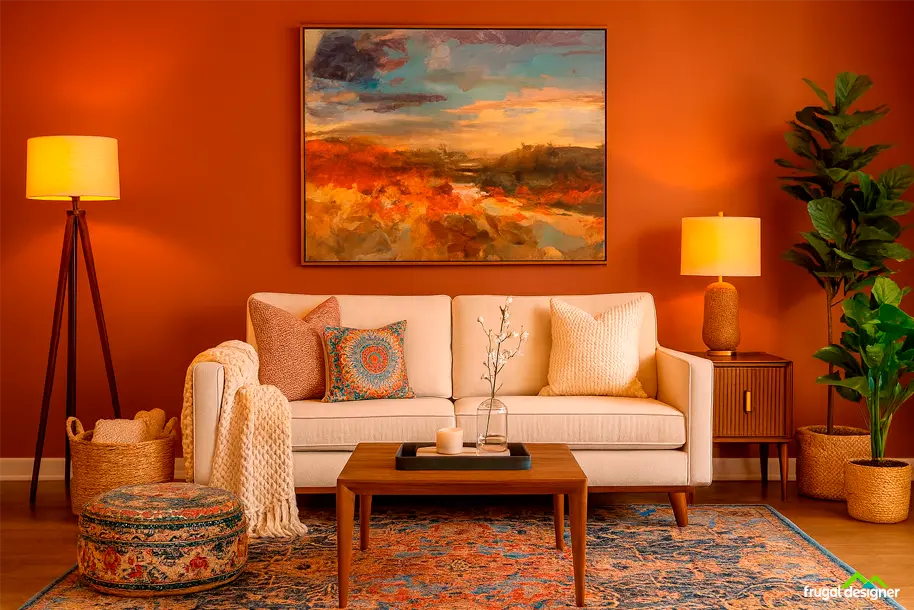
Your living room isn’t just a room; it’s the backdrop for most of your everyday life. It’s where you unwind after work, where people gather, and where the small, ordinary moments take shape. Naturally, you want that space to feel intentional, comfortable, and genuinely reflective of you—without getting tangled up in big expenses or major projects.
That’s what Frugal Designer is here for: doable, budget-smart upgrades rooted in real design principles. No gimmicks, no complicated DIY detours, and nothing that requires a contractor on speed dial. Just clear, thoughtful changes that help your living room look better, function better, and feel more like you—without spending more than you need to.
One of the simplest ways to elevate your living room without replacing major pieces is by adding intentional layers. Texture and pattern do most of the heavy lifting here. They bring depth to flat surfaces, soften the overall look of the room, and help tie together the elements you already have.
Start with your sofa. Introduce a mix of materials by adding something textured and a pattern used sparingly. A linen pillow, a subtle geometric pattern, and a knit throw are enough to shift the room from basic to thoughtfully styled. The key is contrast. When different textures sit next to each other, they create visual interest without competing for attention.
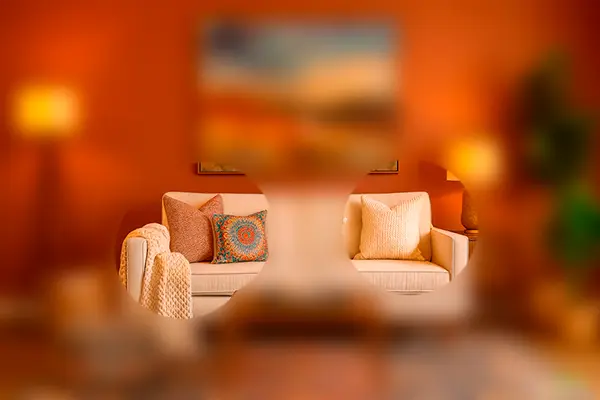
Why this works:
These small details work together to create a more polished living room, and they do it at a low cost. Most of the impact comes from the mix, not the price tag.
Frugal Tip: Use your existing inserts and replace only the pillow covers. Covers are inexpensive, easy to swap out seasonally, and take up minimal storage space—while still giving you the impact of a full refresh.
Lighting is one of the most overlooked design elements, especially in living rooms. Relying on a single overhead light makes the space feel flat and overly bright, which can highlight every shadow and uneven surface. Creating layers of light—ambient, task, and accent—adds balance and warmth without requiring major changes.
Start by adding a table lamp with a warm shade on one side of the room, and a floor lamp or sconce on the other. This distributes the light evenly and introduces contrast between brighter and softer areas. The combination makes the room feel more welcoming and helps define different zones, even in smaller spaces.
A thoughtful lighting plan also improves the overall balance of the room. When light sources are placed at different heights, they bring structure and depth to the space. And because lamps come in a wide range of affordable styles, you can find options that complement your existing décor while still staying well within budget.
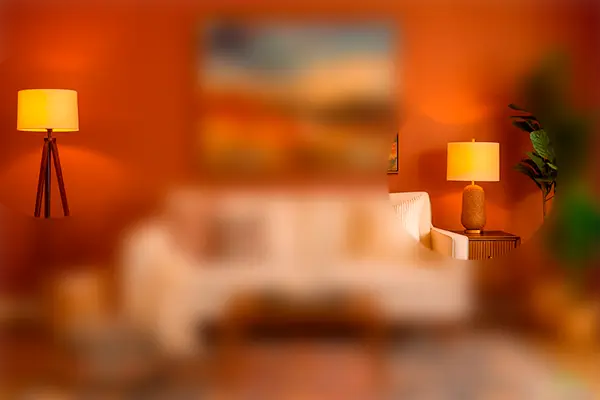
Why this works:
Frugal Tip: Before buying a new lamp, try switching to warm LED bulbs (2700K–3000K). This small change can instantly make your room feel cozier and more expensive for under $10.
If your living room feels a little too flat or “all one note,” natural materials are an easy way to bring warmth and character back into the space. Elements like wood, rattan, jute, or terracotta create instant texture and contrast, especially when paired with smooth surfaces like upholstery, drywall, or glass.
Start by looking for small ways to incorporate these materials: a woven basket beside the sofa, a rattan tray on the coffee table, a wooden accent stool, or a terracotta planter with greenery. These pieces don’t need to be large or expensive to make an impact. Their job is to break up monotony and introduce organic variation—something our eyes naturally gravitate toward.
Natural materials also help balance out the room’s existing elements. If your furniture leans modern or streamlined, adding something with a bit of natural irregularity creates a more welcoming feel. This is the kind of contrast that makes a room look collected rather than overly coordinated.
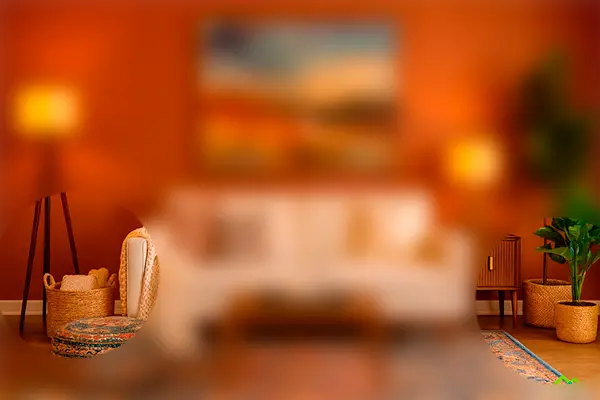
Why this works:
Frugal Tip Instead of buying large furniture pieces, start with small accessories—baskets, trays, or planters. These items are affordable, versatile, and easy to move around when you’re refreshing the room later.
One of the quickest ways to make your living room feel more cohesive is by rethinking the scale of your wall art. Smaller pieces tend to get lost, especially over a sofa or media console, and they can make the entire room feel under-decorated. Opting for larger-scale artwork brings a sense of proportion and balance to the space that smaller pieces can’t achieve.
Consider a single oversized print, a large canvas, or even a pair of coordinating pieces hung side by side. The goal is to choose something that visually anchors the room and fills enough wall space to look intentional. When wall art is properly scaled, it frames the rest of the furnishings and creates a central point of focus, which in turn makes the room feel more finished.
Larger art also supports the rhythm of the room. When your eye can move naturally from one dominant element to another, the space feels more organized and harmonious. This type of visual flow is often what distinguishes polished rooms from ones that feel scattered.

Why this works:
Frugal Tip: If oversized artwork feels out of budget, look for downloadable prints. You can buy an affordable digital file and print it through an online service, then use a simple, inexpensive frame from Amazon for a high-end look at a fraction of the cost.
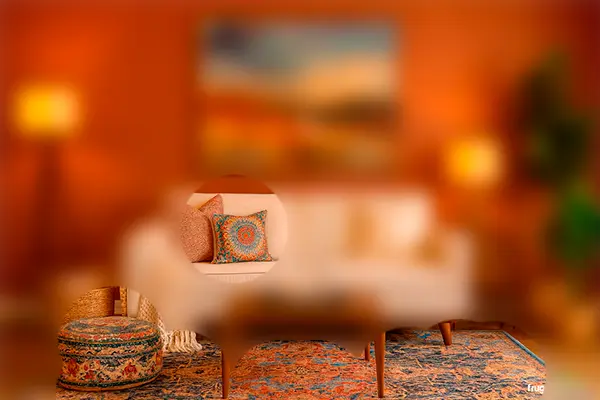
Pattern doesn’t need to be bold or overwhelming to make a difference in your living room. In fact, using subtle, repeated patterns is one of the most effective ways to create rhythm—the gentle sense of movement that keeps a room from feeling static or overly plain.
Look for ways to introduce a pattern that complements your existing décor: a quiet geometric rug, a striped throw, a pair of patterned ottomans, or even two matching lamps with textured shades. The key is restraint. Choose one pattern you like and repeat it sparingly so it feels cohesive, not busy.
This repetition builds a sense of continuity in the room. Even small patterns can guide the eye around the space, helping everything feel more connected. It’s a simple technique with a big payoff, especially when you're working with a limited budget and want to make intentional improvements without adding clutter.
Why this works:
Frugal Tip: Start with a patterned throw or a budget-friendly rug. These pieces offer the largest visual impact for the lowest cost and can easily be swapped out later if you want a new look.
Plants—real or faux—do more for a living room than simply fill an empty corner. They introduce line, height, and a sense of natural movement that softens the entire space. A tall plant creates a vertical focal point, breaking up the horizontal lines of sofas, consoles, and low furniture. This helps the room feel more balanced and visually dynamic.
You don’t need a jungle. One or two well-placed plants can bring life to the space without adding visual clutter. A tall plant in a bare corner adds height, while a medium plant near a window or sofa introduces organic form that contrasts nicely with the straight edges of your furniture.
If you prefer faux greenery for convenience, choose versions with realistic stems and natural variation in leaf color — the quality has come a long way, and they offer all the design benefits without the upkeep.

Why this works:
Frugal Tip: Use a simple basket or woven planter as your container. It adds texture and warmth, and even an inexpensive faux plant looks more elevated when placed in a thoughtfully chosen vessel.
A well-styled coffee table can quietly elevate your entire living room. It’s a small surface, but because it sits at the visual center of the space, how you arrange it has an outsized impact. The goal isn’t to overload it with décor — it’s to use form and contrast to create a simple, balanced composition that feels intentional.
Start with a tray or low basket to give smaller objects a defined home. Then build a grouping using three varied elements: something with height (like a vase or branch), something structured (like a book stack), and something natural (a candle, beads, or a small plant). These pieces work together because they vary in shape and finish, giving the arrangement more visual interest without competing for attention.
Contrast matters here — mix matte with smooth, rounded with angular, warm tones with cool ones. The mix makes your coffee table feel styled rather than cluttered, and because you’re working with just a few items, it’s easy to refresh whenever you want a new look.

Why this works:
Frugal Tip: Stack a couple of affordable coffee table books and use them as a styling base. They add height, structure, and sophistication — and they’re one of the most cost-effective décor tools you can buy.
Frugal Designer participates in affiliate marketing programs and may earn commissions from qualifying purchases made through affiliate links.
As an Amazon Associate, we may earn commissions from qualifying purchases from Amazon.com.